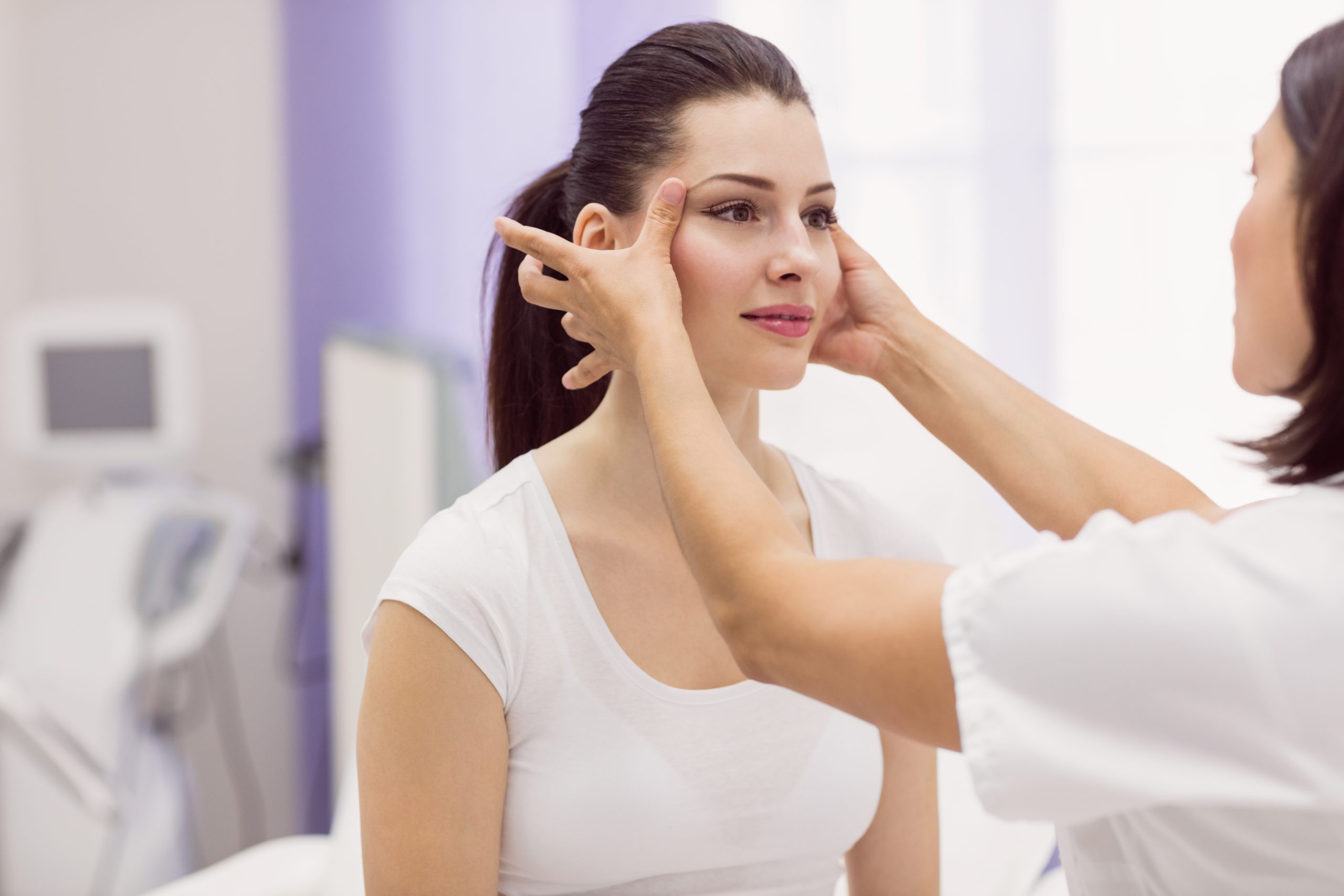
Dermatology vs. Digital Advice
The digital revolution has transformed the way we care for our skin. With a single click, users can now access AI skin scanners, personalized product recommendations, and “viral” skincare hacks. However, this convenience raises a vital question: Is digital advice a genuine substitute for a board-certified dermatologist?
In this article, you will get a deep dive into the scientific accuracy of digital tools versus clinical expertise. We explore how skin aging and disorders affect men and women differently, backed by current medical statistics. By the end of this guide, you will have a clear understanding of when it is safe to follow an app and when it is medically necessary to visit a clinic.
Defining the Digital Skin Landscape
Digital skin advice has branched into several sub-sectors, each with its own level of reliability. To navigate this space, one must understand the tools currently available:
- These use machine learning algorithms to analyze selfies and provide a “score” for acne severity, wrinkle depth, or sun damage.
- Services that connect you with a physician via video or photo submission for quick prescriptions.
- Platforms like TikTok and Instagram where “skinfuencers” provide product reviews and routine advice.
- Sites that allow users to cross-reference chemical ingredients to check for toxicity or allergens.
The Clinical Advantage of Traditional Dermatology
- While technology is impressive, a human dermatologist utilizes senses that an algorithm cannot replicate. Clinical dermatology remains the gold standard for several reasons:
- A doctor can feel the “induration” (hardness) or “fluctuance” (fluidity) of a cyst, which is critical for determining the type of infection.
- Specialists use high-magnification tools to see patterns in mole structures that are invisible to a standard smartphone camera.
- A dermatologist considers your internal health—such as thyroid function or iron levels—which often manifests as skin or hair issues.
- From freezing warts with liquid nitrogen to performing Mohs surgery for skin cancer, physical clinics provide immediate therapeutic solutions.
Comparative Analysis
| Feature | Professional Dermatology | Digital Skin Advice / Apps |
| Diagnostic Accuracy | 95% – 99% (with testing) | 60% – 82% (image quality dependent) |
| Wait Times | 2 to 6 weeks for an appointment | Instant to 24-hour turnaround |
| Prescription Access | Full (includes controlled substances) | Limited (usually topical only) |
| Physical Testing | Biopsies and Bloodwork available | None |
Gender-Specific Considerations in Skincare
It is a common misconception that skin is universal. Biological sex significantly influences how skin responds to both professional and digital advice.
The Male Perspective:
- Male skin is approximately 25% thicker than female skin and contains more collagen. Digital advice often recommends “standard” anti-aging products that may be too weak for a man’s tougher skin barrier.
- Men have more active sebaceous glands due to testosterone. This often leads to longer-lasting acne. Men frequently use digital apps for “quick fixes,” but these apps may miss the need for hormonal regulation.
- Men are statistically less likely to perform self-exams. A digital app might provide a “low-risk” rating for a mole on a man’s back, whereas a dermatologist would recognize the early signs of melanoma, which is often more lethal in men.
The Female Perspective:
- Women’s skin is a mirror of their hormonal cycle. From “period acne” to the skin thinning associated with menopause, a woman’s needs change monthly. Most AI apps are static and do not account for these fluctuations.
- Women use significantly more products, including makeup and multi-step serums. This increases the risk of “Contact Dermatitis.” Identifying the specific allergen usually requires a clinical “Patch Test” that digital advice cannot provide.
- Many digital-recommended ingredients, such as Salicylic Acid or Retinoids, are contraindicated during pregnancy. A dermatologist ensures the safety of both mother and child.
Key Statistics and Expert Insights
- The data surrounding skin health highlights the risks of relying solely on non-professional advice:
- 80% of facial aging is attributed to UV exposure (Photoaging), yet only 1 in 3 adults applies sunscreen daily. [Source: AAD 2025]
- The false-negative rate for AI apps in detecting certain types of non-melanoma skin cancer can be as high as 18%. [Source: Journal of Digital Health]
- 70% of Gen Z reports making a skincare purchase based on a social media recommendation rather than medical advice.
- 5 million people are treated for skin cancer in the U.S. every year, making it the most common cancer—early clinical detection has a 99% 5-year survival rate.
“Digital advice is a fantastic tool for education, but it is a dangerous tool for diagnosis. The screen hides the nuance of a physical pathology.” — Dr. Linda Zhang, Dermatological Research Lead.
Limitations of Digital Advice
While apps are useful for tracking, they have significant “blind spots”:
- Poor Lighting and Resolution: An algorithm is only as good as the photo. Shadows or low-resolution cameras can lead to a misdiagnosis of a simple rash as a fungal infection.
- The “Echo Chamber” Effect: Social media algorithms show you what you want to see. If you follow “natural” skincare influencers, you may be led away from life-saving medical treatments.
- Lack of Accountability: If a digital app suggests a product that causes a chemical burn, there is often no medical recourse or follow-up care provided.
- Questions & Answers (Q&A)
Q: Is it safe to buy “medical-grade” skincare from online influencers?
A: No. Genuine medical-grade products (like high-strength Tretinoin) should only be used under the supervision of a doctor. Buying them through unofficial digital channels risks receiving counterfeit or expired products.
Q: Can a digital app detect skin cancer as well as a doctor?
A: Currently, no. While AI is improving, it cannot perform a biopsy or check the lymph nodes—essential steps in cancer staging.
Q: What is the biggest mistake people make with digital skin advice?
A: “Self-treating” cystic acne or suspicious moles for too long. By the time they see a dermatologist, the condition has often worsened or caused permanent scarring.
Q: Are online teledermatology prescriptions valid?
A: Yes, if provided by a licensed physician after a review. However, they are best suited for simple, non-chronic issues like minor rashes or basic acne.
Q: Why do dermatologists cost so much compared to apps?
A: You are paying for over 12 years of specialized medical training, high-tech diagnostic equipment, and the legal liability for your health and safety.
External References
- American Academy of Dermatology (AAD): The definitive source for skin disease information and board-certified doctor searches.
- Skin Cancer Foundation: Offers comprehensive guides on the early detection of skin cancer and UV protection.
- Mayo Clinic – Dermatology Department: A world-renowned resource for understanding complex skin conditions and surgical treatments.
- National Institutes of Health (NIH) – Skin Care: Provides peer-reviewed research on the impact of environment and genetics on skin health.
The battle between Dermatology and Digital Advice shouldn’t result in a winner; instead, it should lead to a Hybrid Strategy. Use digital advice for what it does best: tracking your daily habits, checking ingredient lists, and learning basic preventative care. However, when it comes to a definitive diagnosis, persistent pain, or any spot that is “New, Changing, or Unusual,” there is no substitute for the human expertise found in a dermatology clinic.
Investing in a professional consultation once a year is not just a cosmetic choice—it is a preventative health measure. Balance your digital convenience with clinical confidence for the best version of your skin in 2026.