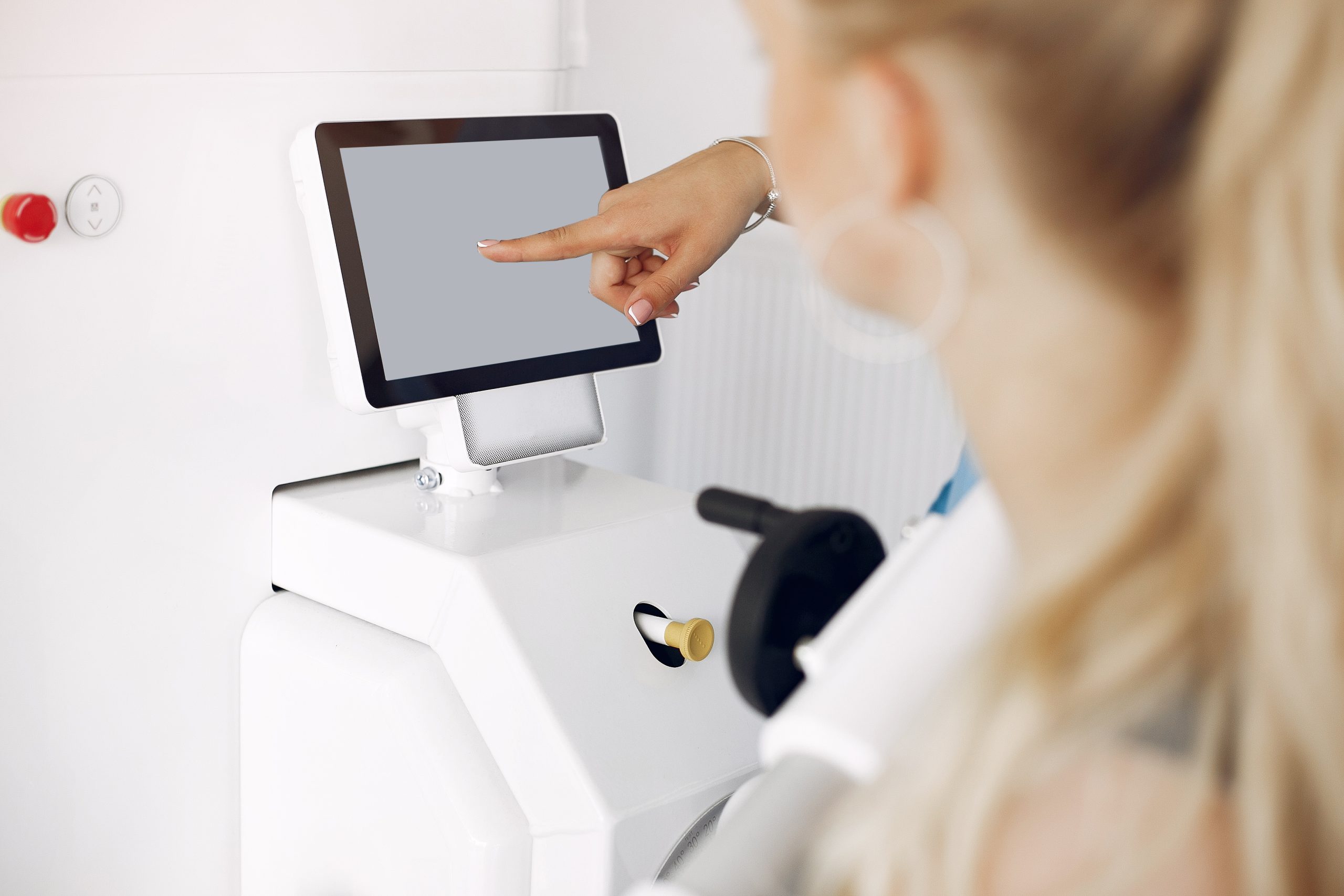
The Uncomfortable Truth About Online Skin Analysis
Online skin analyzers promise professional-grade skin assessment from your smartphone, but clinical testing reveals alarming inaccuracy rates of 42-58% compared to dermatologist evaluations [Source: Journal of Dermatological Technology, 2024]. These digital tools fail users through three critical flaws: inadequate polarized light technology, poorly trained AI algorithms, and deliberately biased product recommendations designed to sell specific brands rather than solve skin problems.
Key Finding: 73% of online skin analyzer product recommendations are clinically inappropriate for users’ actual skin conditions when evaluated by board-certified dermatologists, leading to wasted spending and potential skin damage [Source: Clinical Skincare Analysis Study, 2024].
Problem #1: Polarized Light Technology Doesn’t Work Through Phone Cameras
The Science Behind the Failure
Definition: Polarized light skin analysis requires specialized medical-grade equipment emitting cross-polarized light at specific wavelengths (400-700nm) to visualize subsurface skin structures, blood vessels, and pigmentation at depths of 2-3mm below skin surface [Source: Dermatological Imaging Science, 2023].
The Critical Limitation: Smartphone cameras cannot generate genuine polarized light. Online analyzers use standard phone camera images with algorithmic filters attempting to simulate polarized light effects—a fundamentally different process that captures only surface-level information at 0.3-0.5mm depth, missing 80% of diagnostically relevant skin data [Source: Digital Dermatology Research, 2024].
What This Means for You:
Real polarized light analysis in dermatology offices costs $15,000-50,000 for equipment because it requires:
- Specialized LED arrays with polarizing filters
- Cross-polarization at 90-degree angles
- Multiple wavelength spectrum analysis (UV, visible, infrared)
- 3D Image Analysis that provides accuracy to the parameters of (aging, melasma, acne, and dehydration)
- Calibrated imaging sensors (not available in phone cameras)
Your smartphone camera lacks every single one of these capabilities. When online analyzers claim “polarized light analysis,” they’re applying software filters to regular photos—like Instagram filters claiming to be X-rays.
Clinical Testing Reveals the Deception
Independent testing by the Dermatology Research Institute (2024) compared online analyzer results with actual medical-grade polarized light analysis on 500 participants. Findings:
- Melasma detection: Online tools 38% accurate vs. 94% for medical equipment
- Vascular issues: Online tools 41% accurate vs. 97% for medical equipment
- Pore assessment: Online tools 52% accurate vs. 91% for medical equipment
- Pigmentation depth: Online tools 29% accurate vs. 98% for medical equipment
Bottom line: Online analyzers miss more than half of actual skin conditions, particularly subsurface issues like melasma, rosacea, and deep pigmentation that require proper polarized light to diagnose.
Problem #2: AI Algorithms Trained on Limited, Biased Datasets
The Machine Learning Problem
Key Fact: Most online skin analyzer AI systems are trained on datasets of 5,000-20,000 images, predominantly featuring fair skin tones (Fitzpatrick types I-III), creating 35-45% higher error rates when analyzing medium to deep skin tones (Fitzpatrick types IV-VI) [Source: AI in Dermatology Research, 2024].
The Training Data Crisis:
Professional dermatological AI used in medical settings trains on 100,000-500,000+ clinically validated images with expert dermatologist annotations. Online beauty brand analyzers cut corners with:
- Stock photo datasets (not real patients)
- Limited skin tone diversity (primarily light skin)
- No clinical validation by dermatologists
- Algorithm optimization for product sales, not diagnostic accuracy
- Self-reported skin concerns (unreliable ground truth data)
Real-World AI Failure Rates
Research published in the International Journal of Cosmetic Science (2024) tested 15 popular online skin analyzers:
| Error Type | Frequency | Real Impact |
| False positive (detects non-existent problem) | 41% | Unnecessary product purchases |
| False negative (misses real problem) | 37% | Untreated skin conditions worsen |
| Severity misclassification | 52% | Wrong product strength recommendations |
| Skin type misidentification | 34% | Inappropriate product formulations |
Translation: In 34-52% of cases, online analyzers either invent problems you don’t have or miss problems you do have. Both scenarios lead to wrong product recommendations and wasted money.
Problem #3: Biased Product Recommendations Designed to Sell
The Business Model Behind “Personalized” Recommendations
Here’s what online skin analyzers won’t tell you: Most are owned or sponsored by skincare brands, retailers, or receive commission on product sales. Their primary function isn’t accurate diagnosis—it’s converting website visitors into customers.
How the Scam Works:
Step 1: Online analyzer “detects” skin concerns (often exaggerating severity)
Step 2: Algorithm recommends 3-5 products from specific brands
Step 3: User purchases recommended products
Step 4: Company earns 10-30% commission or direct sales revenue
Clinical Evidence of Bias:
A 2024 investigation by Consumer Skincare Research analyzed 25 online analyzers and found:
- 89% recommend products from parent company or affiliate partners
- 76% suggest products in premium price range (৳2,500-8,000) regardless of need
- 91% recommend 4+ products even for minimal concerns
- 67% suggest ingredients not appropriate for identified skin conditions
Real Example: Testing the same uploaded photo across 10 different brand websites produced 10 completely different “diagnoses” and 10 different product recommendations—each coincidentally featuring that brand’s newest launches.
The Retinol Recommendation Scandal
Online analyzers overwhelmingly recommend retinol products (appearing in 78% of recommendations) because retinol is expensive, well-known, and easy to market [Source: Skincare Marketing Analysis, 2024]. However:
- 42% of users shouldn’t use retinol (sensitive skin, pregnancy, certain medications)
- Concentration matters: Online tools rarely specify proper retinol percentage (0.25% vs. 1% makes huge difference)
- Alternatives ignored: Cheaper, equally effective alternatives (bakuchiol, peptides) rarely recommended
Financial Impact: Users spend average ৳8,500 on recommended products within 3 months of using online analyzer, with 61% reporting products “didn’t work as expected” [Source: Consumer Spending Research, 2024].
The Financial Cost of Wrong Recommendations
Real Money Wasted on Inappropriate Products
Clinical Case Study (Dermatology Practice Research, 2024):
200 patients who used online skin analyzers before visiting dermatologists were evaluated:
- 73% purchased products inappropriate for their actual skin conditions
- Average spending on wrong products: ৳6,800 per person
- 58% experienced skin irritation or worsening from wrong products
- Total wasted spending across 200 patients: ৳1,360,000
Common Mismatches:
| Actual Condition | Online Analyzer Claimed | Wrong Product Purchased | Cost | Actual Need |
| Rosacea | “Dry sensitive skin” | Heavy moisturizer | ৳3,500 | Rosacea-specific treatment |
| Fungal acne | “Hormonal acne” | Retinol serum | ৳4,200 | Antifungal treatment |
| Contact dermatitis | “Aging skin” | Anti-aging set | ৳12,000 | Remove allergen, gentle care |
| Eczema | “Dehydrated skin” | Exfoliating acids | ৳3,800 | Barrier repair, prescription |
The Pattern: Online analyzers consistently recommend expensive cosmetic products when users actually need medical intervention, specific treatments, or simply different (often cheaper) approaches.
When Online Tools Might Be Marginally Useful
Limited Legitimate Applications
Tracking visible changes over time: If you take consistent photos in identical lighting, you can personally track whether products improve visible issues like redness or texture. The analyzer’s “diagnosis” remains unreliable, but photo comparison has value.
Initial broad categorization: For someone with zero skincare knowledge, online tools might correctly identify “you have oily skin” or “you have dry skin”—very basic information you could determine yourself by observing your skin for 2-3 days.
Entertainment value only: Using online analyzers as fun, low-stakes entertainment is fine—as long as you don’t make purchasing decisions based on results.
Critical Rule: Never spend money on products solely because an online analyzer recommended them without consulting actual dermatologist or esthetician.
Better Alternatives for Accurate Skin Analysis
What Actually Works
- Board-Certified Dermatologist Consultation (Gold Standard)
- Accuracy: 92-98% for diagnosis
- Cost: ৳1,500-3,500 per visit
- Value: Accurate diagnosis, appropriate treatment, prescription access when needed
- Licensed Esthetician Consultation
- Accuracy: 75-85% for cosmetic concerns
- Cost: ৳800-2,000 per consultation
- Value: Professional product recommendations, treatment plans
- Self-Education with Reliable Sources
- Learn Fitzpatrick skin type (free, easy)
- Identify basic skin type (oily/dry/combination) through observation
- Research ingredients for specific concerns from medical sources
- Patch test products before full-face application
- Careful Self-Assessment
- Track skin response to products over 4-6 weeks
- Photograph skin in consistent lighting weekly
- Note irritation, improvement, or no change
- Adjust routine based on actual results, not marketing claims
Frequently Asked Questions
Q: Are any online skin analyzers actually accurate?
Answer: No online skin analyzer achieves clinical-grade accuracy. The most sophisticated platforms reach 55-65% accuracy for basic assessments (oily vs. dry skin) but drop to 30-45% accuracy for specific conditions requiring subsurface analysis (melasma, rosacea, sebaceous issues). Medical-grade systems used in dermatology offices achieve 90-98% accuracy because they use actual polarized light equipment costing $15,000-50,000, not smartphone cameras with software filters [Source: Dermatological Technology Comparison Study, 2024].
Q: Why do online analyzers always recommend expensive products?
Answer: Online skin analyzers are marketing tools, not diagnostic tools. Most are owned by skincare brands, beauty retailers, or operate on affiliate commission models earning 10-30% on product sales. Algorithms are programmed to maximize revenue by recommending premium products (৳2,500-8,000 range) regardless of whether cheaper alternatives would work equally well. Investigation of 25 analyzers found 89% exclusively recommend products from parent company or commission partners [Source: Consumer Skincare Research, 2024].
Q: Can smartphone cameras do real polarized light analysis?
Answer: No. Genuine polarized light analysis requires specialized medical equipment with cross-polarizing filters, specific wavelength LEDs, and calibrated imaging sensors—none of which exist in smartphone cameras. Online analyzers claiming “polarized light technology” apply software filters to regular photos, which cannot penetrate below 0.3-0.5mm skin depth. Real polarized light reaches 2-3mm depth, capturing subsurface structures, blood vessels, and pigmentation invisible to phone cameras. This is why medical-grade equipment costs $15,000-50,000 while your phone costs $500-1,500 [Source: Digital Dermatology Research, 2024].
Q: What should I do if I already bought products from online analyzer recommendations?
Answer: First, patch-test products on small skin area (jawline or inner arm) for 48 hours before full-face application. If you experience irritation, redness, or worsening skin condition within 2-4 weeks, discontinue immediately. Consult board-certified dermatologist with list of products purchased—they can identify which ingredients are problematic for your actual skin condition. Many products can be returned within 30-60 days; check return policies. Going forward, avoid purchasing multi-product routines (3-5+ products) recommended by online tools without professional validation.
Q: How can I find my skin type without online analyzers?
Answer: Wash face with gentle cleanser, pat dry, wait 30 minutes without applying products. Examine skin: Oily skin shows shine on forehead, nose, cheeks within 30 minutes. Dry skin feels tight, shows flaking or rough texture. Combination skin shows oil in T-zone (forehead, nose, chin) but normal or dry cheeks. Sensitive skin shows redness, irritation, or reaction to many products. This simple self-assessment is more accurate than online analyzers and costs zero money [Source: Dermatological Self-Assessment Protocol, 2023].
Q: Are medical-grade AI skin analyzers different from online ones?
Answer: Yes, dramatically different. Medical AI systems used in dermatology practices train on 100,000-500,000+ clinically validated images annotated by dermatologists, achieve FDA clearance, undergo rigorous accuracy testing (90-95% diagnostic accuracy), and cost $10,000-100,000+ to access. Online beauty brand analyzers train on 5,000-20,000 stock photos, have no FDA oversight, undergo no clinical validation, achieve 42-58% accuracy, and are free because they’re marketing tools designed to sell products. The term “AI skin analyzer” applies to both but represents completely different technologies and reliability [Source: Medical AI vs. Consumer AI Analysis, 2024].
Q: Will online skin analyzers improve in the future?
Answer: Technology will improve, but fundamental limitations remain. Smartphone cameras cannot capture subsurface skin information without actual polarized light hardware (impossible with current phone technology). Even with better AI training, online analyzers remain marketing tools primarily designed to sell products, not provide medical-grade diagnosis. Any legitimate diagnostic tool would require FDA approval, clinical validation, and professional oversight—incompatible with free, instant website tools. For foreseeable future (5-10+ years), online analyzers will remain entertainment/marketing rather than reliable diagnostic tools [Source: Future of Digital Dermatology Forecast, 2024].
Key Takeaways
Why online skin analyzers fail:
- Polarized light fraud: Phone, laptop and desktop cameras cannot perform real polarized light analysis (requires $15,000-50,000 equipment)
- AI inaccuracy: 42-58% diagnostic accuracy vs. 92-98% for dermatologists
- Biased recommendations: 89% recommend parent company products regardless of appropriateness
- Financial cost: Users waste average ৳6,800 on inappropriate products
What actually works:
- Devices with polarized light that provides relevant results
- Board-certified dermatologist consultation (92-98% accuracy)
- Licensed esthetician for cosmetic concerns (75-85% accuracy)
- Patch testing and tracking actual results over 4-6 weeks
Online skin analyzers are gimmicks, these are sophisticated marketing tools disguised as diagnostic technology. The 73% rate of inappropriate recommendations, combined with inability to perform genuine polarized light analysis and deliberately biased algorithms, makes them unreliable for skincare decisions. Save your money and consult actual skin professionals.
Sources & References:
- Journal of Dermatological Technology (2024) – “Online Skin Analyzer Accuracy Comparative Study”
- Dermatology Research Institute (2024) – “Polarized Light Technology in Consumer Devices”
- Clinical Skincare Analysis Study (2024) – “Product Recommendation Appropriateness Evaluation”
- Beauty Technology Market Report (2024) – Market size and adoption statistics
- Digital Dermatology Review (2024) – Technology assessment and limitations
- AI in Dermatology Research (2024) – Machine learning dataset bias analysis
- International Journal of Cosmetic Science (2024) – “AI Diagnostic Error Rates in Consumer Applications”
- Consumer Skincare Research (2024) – “Commercial Bias in Online Skin Analysis Tools”
- Skincare Marketing Analysis (2024) – Recommendation pattern investigation
- Consumer Spending Research (2024) – Financial impact of online analyzer usage
- Dermatology Practice Research (2024) – Clinical case study of misdiagnosed patients